
Bunion Treatment in Brunswick
Restore Comfort and Alignment with Targeted Bunion Care
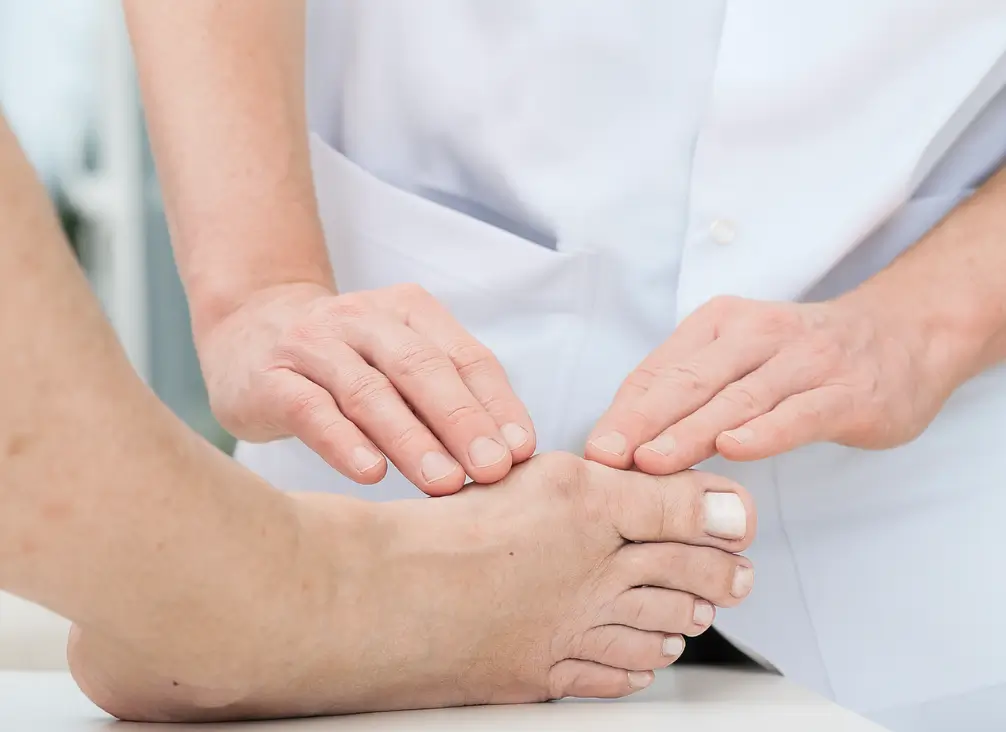
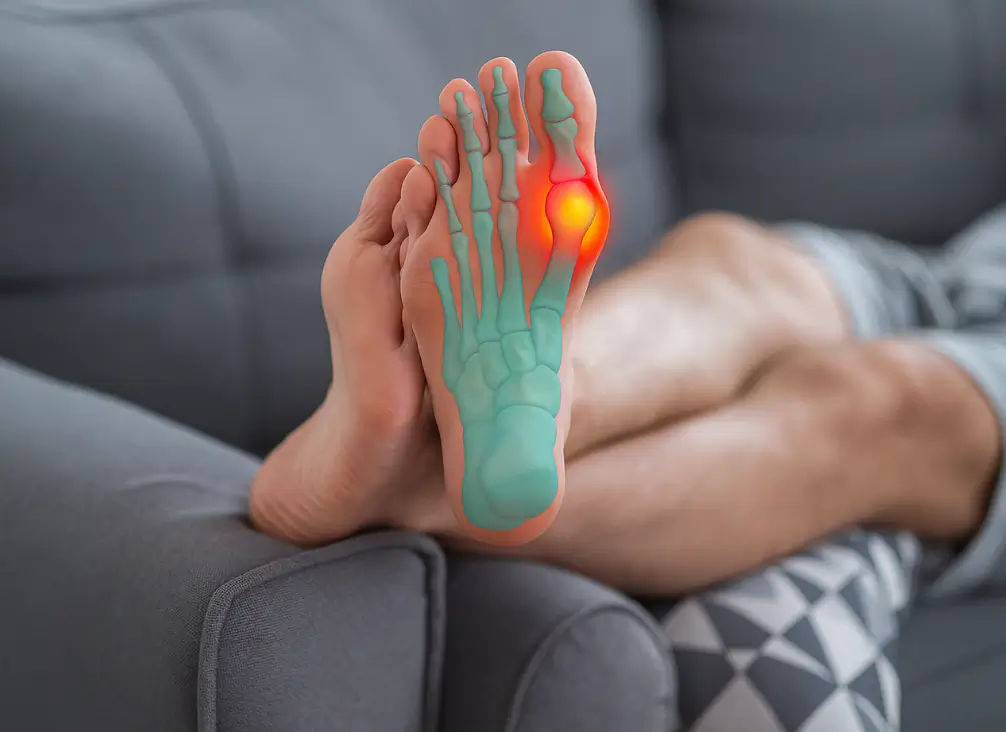
Bunions (medically known as hallux valgus) are a common foot condition that can cause pain, swelling, and changes to the shape of your foot. A bunion develops when the big toe gradually deviates toward the second toe, causing a noticeable bump at the base of the big toe joint. Left untreated, bunions can worsen over time and affect your ability to walk, wear shoes, or stay active.
At our Brunswick clinic, we offer evidence-based bunion treatment tailored to your level of discomfort and foot structure. Whether your bunion is mild and manageable or causing significant pain, our podiatrists are here to help restore mobility and prevent further progression.
What Causes Bunions?
There is no single cause of bunions. They are typically the result of a combination of genetic, structural, and lifestyle factors. These may include:
Flat feet or abnormal foot mechanics
Poor footwear choices (narrow shoes, high heels, thongs)
Joint hypermobility or lax ligaments
Arthritis or inflammatory joint conditions
Repetitive stress on the foot
Understanding the underlying cause is essential for choosing the most effective treatment strategy.
5-Phase Bunion Treatment Strategy
Our Brunswick podiatrists use a five-step approach to help relieve pain, improve function, and slow the progression of bunions.
Phase 1: Bunion First Aid Relief
Focuses on reducing pain and swelling around the big toe joint. This may involve:
Anti-inflammatory strategies
Padding and bunion guards
Taping or bracing to protect the joint
Phase 2: Biomechanical & Gait Assessment
A thorough analysis of how your foot moves and bears weight. Key assessments include:
Joint mobility and range of motion testing
Arch evaluation (medial, lateral, and transverse)
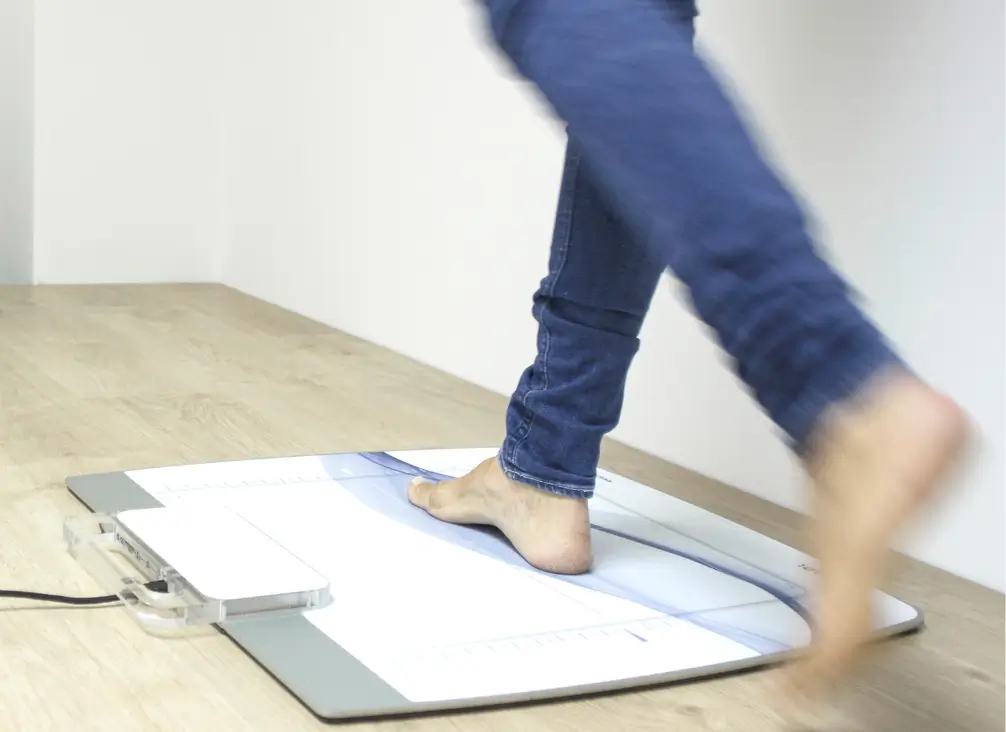
Gait analysis to assess walking mechanics
Phase 3: Footwear Review and Advice
Poor footwear can exacerbate bunions. We recommend and fit:
Wide, supportive footwear with soft uppers
Custom orthotics to improve foot posture and reduce joint pressure
Shoe modifications for improved comfort
Phase 4: Functional Rehabilitation
Designed to improve strength, mobility, and alignment:
Stretching and strengthening of foot and lower leg muscles
Manual therapies like joint mobilisation
Dry needling and trigger point release
Shockwave therapy for chronic joint discomfort
Phase 5: Maintenance and Prevention
Once symptoms are under control, our focus shifts to long-term prevention:
Education on avoiding flare-ups
Custom foot orthotics (if needed)
Regular check-ins to monitor foot function

Common Bunion Symptoms We Treat:
Pain or swelling around the base of the big toe
Joint stiffness or restricted motion
Corns or calluses between the first and second toes
Difficulty finding comfortable shoes
Numbness or burning in the affected area
Visible misalignment of the toe
Do You Need Surgery?
Surgery is typically only recommended when conservative measures fail or the bunion is severely impacting daily activities. Our podiatrists focus on conservative management first, aiming to delay or avoid the need for surgery whenever possible.
Claiming Medicare Rebates for Bunion Treatment
If you have chronic foot pain due to a bunion, you may be eligible for a Medicare-subsidised care plan through your GP (EPC plan). This entitles you to up to 5 podiatry sessions per calendar year with a rebate. Contact your doctor to check eligibility.


Book a Bunion Assessment Today
Early intervention can significantly slow bunion progression and help you stay active. Book an assessment with our experienced Brunswick podiatrists and take the first step towards more comfortable, healthier feet.
Instant claims with all major health funds — you only pay the gap.









Have Questions About Podiatry?
We’re here to make it simple. Whether you’re dealing with ongoing foot pain or just unsure if podiatry is right for you, we’re happy to guide you — no pressure, just clear answers.