
Fungal Nail Treatment in Brunswick
Say Goodbye to Yellow, Brittle, and Discoloured Toenails
Are you embarrassed by thick, discoloured toenails that never seem to improve? You might be dealing with a fungal nail infection—a common but stubborn condition that affects the toenails and surrounding skin. Left untreated, it can spread, worsen, and become harder to resolve.
At our Brunswick podiatry clinic, we help people manage fungal nail infections with a combination of professional treatments, prevention advice, and medical-grade care.
What Is a Fungal Nail Infection?
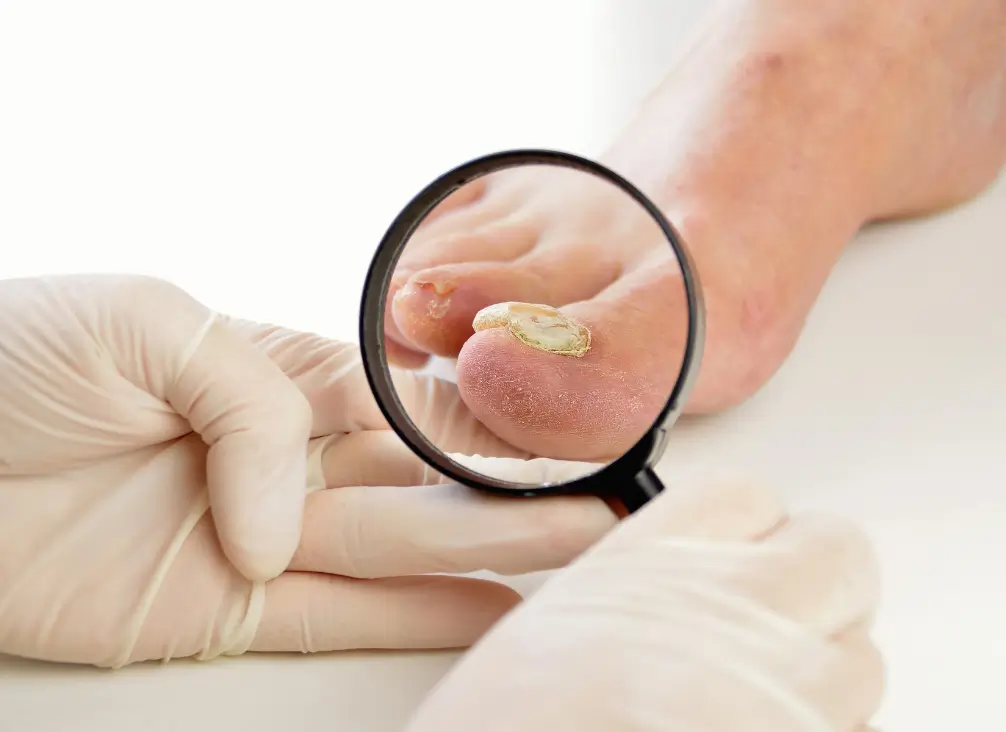
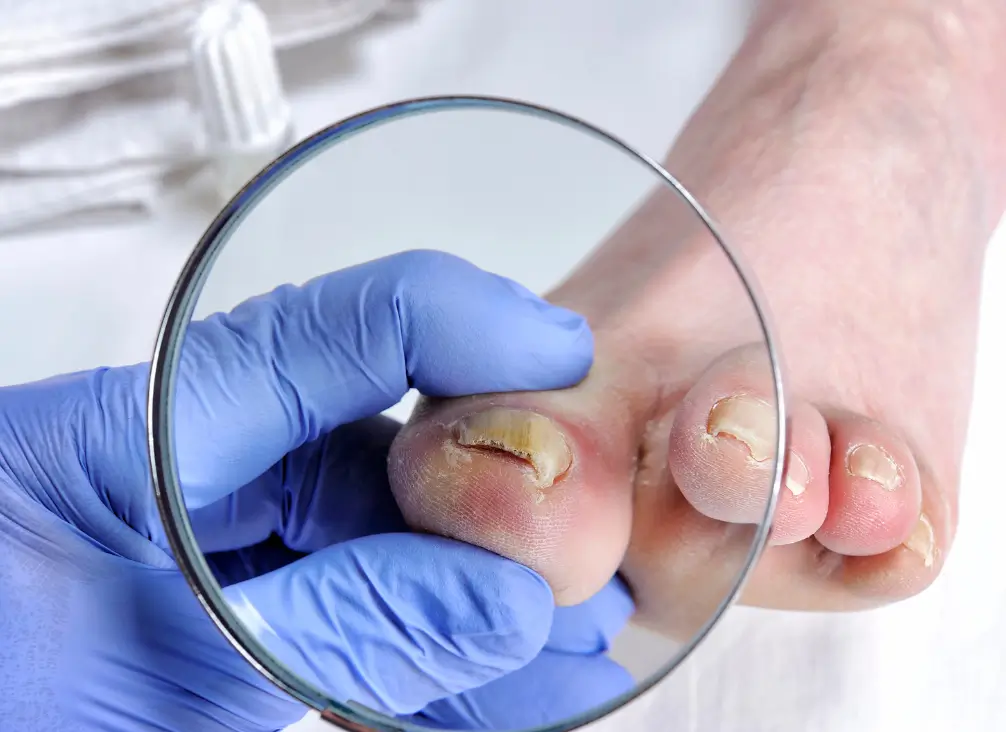
Fungal nail infections, also known as onychomycosis, occur when dermatophytes (fungi) invade the nail bed or nail plate. These infections often start subtly, with slight discolouration or changes in texture, but can become severe if left untreated.
Common signs include:
Yellow, brown or white discolouration
Thickened or crumbly nails
A distorted nail shape
Flaky debris under the nail
Detachment of the nail from the nail bed
Mild odour or itchiness near the nail
Fungal infections can affect one or multiple nails and may also be associated with athlete’s foot (tinea pedis), especially between the toes.
What Causes Fungal Toenails?
Several factors can increase your risk of developing a fungal nail infection, including:
Walking barefoot in communal showers or pools
Wearing tight, enclosed shoes that trap moisture
Sweaty feet or poor foot hygiene
Nail trauma or damage
A weakened immune system
Diabetes or circulatory conditions
Fungus thrives in warm, moist environments—making your shoes the perfect place for it to multiply.


Why Over-the-Counter Treatments Often Fail
Many people try antifungal creams or pharmacy solutions for months without success. These topical treatments rarely penetrate the nail plate effectively, especially if the nail is thick or damaged.
Podiatrists are uniquely trained to provide medical-grade care that improves your chances of clearing the infection faster and more effectively.
How a Brunswick Podiatrist Can Help
Our podiatry clinic offers tailored fungal nail treatment plans, depending on the severity and cause of your infection. A typical management approach may include:
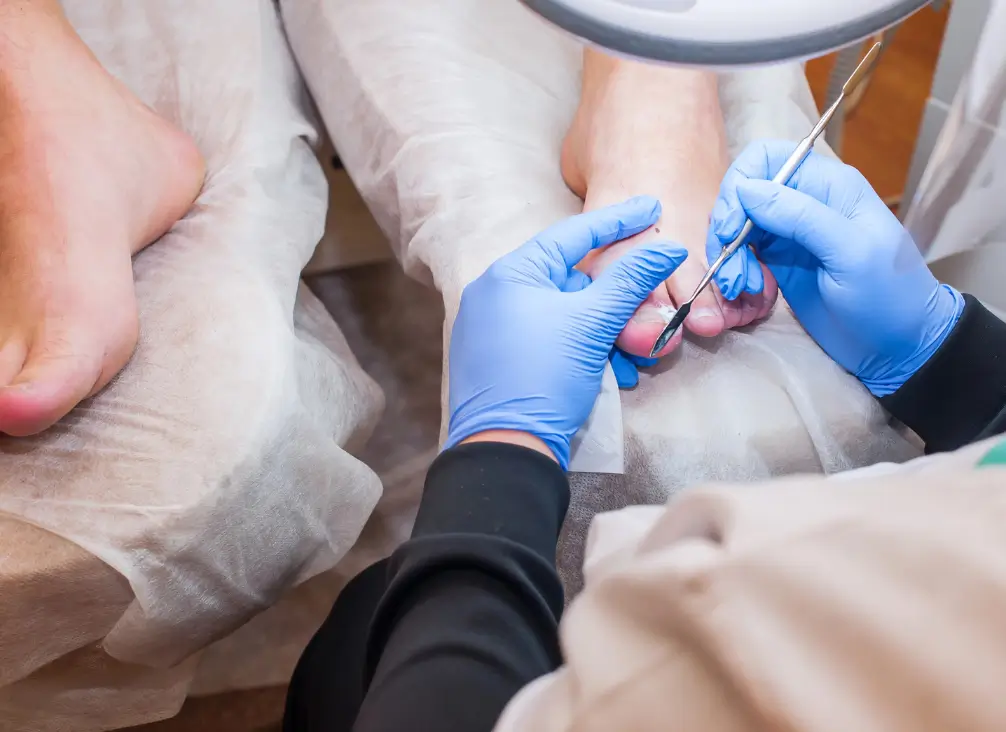
Nail Debridement: We carefully thin and remove infected nail material using sterile instruments, improving appearance and increasing treatment penetration.
Topical Antifungal Solutions: We use high-potency antifungal solutions prescribed or applied in-clinic, chosen for their ability to reach the nail bed.
Footwear & Hygiene Advice: We provide practical guidance on shoe sterilisation, sock choices, and lifestyle changes to prevent reinfection.
Oral Medication Referral: In persistent or severe cases, we may refer you to your GP for oral antifungal medication, which requires blood monitoring and is only used when appropriate.
Laser or Photodynamic Therapy (Optional): If requested, we can discuss advanced options such as laser nail therapy, available at select clinics.

Can Fungal Nail Infections Be Cured?
Yes—but it requires consistency, patience, and the right treatment. Fungal nails can take 6–12 months to grow out clear, depending on the nail’s growth rate and severity of infection. Your podiatrist will monitor your progress and adjust your treatment plan as needed.
When to Seek Help
Don’t wait until your nails are unsightly or painful. The earlier you treat fungal infections, the easier they are to resolve.
Book an assessment if you notice:
Persistent nail discolouration
A change in nail shape or thickness
Pain, odour, or discomfort
Nail lifting or detaching
Fungal Nail Treatment Brunswick – Book Now
Clearer, healthier nails start with professional treatment. Whether you’ve just noticed changes or you’ve tried everything without success, a qualified podiatrist can help you take the next step.

Instant claims with all major health funds — you only pay the gap.









Have Questions About Podiatry?
We’re here to make it simple. Whether you’re dealing with ongoing foot pain or just unsure if podiatry is right for you, we’re happy to guide you — no pressure, just clear answers.