
Plantar Wart Treatment in Brunswick
Effective Podiatry Solutions for Stubborn Warts on the Feet
Have you or your child developed painful, rough-surfaced warts on the soles of the feet or toes? Tried pharmacy treatments with little success? Plantar warts (verruca pedis) are a very common skin infection, particularly among children, teens, and active adults—but they can be persistent and tricky to treat.
Our Brunswick podiatry clinic offers medical-grade wart treatments designed to help eliminate stubborn plantar warts while reducing recurrence.
What Are Plantar Warts?
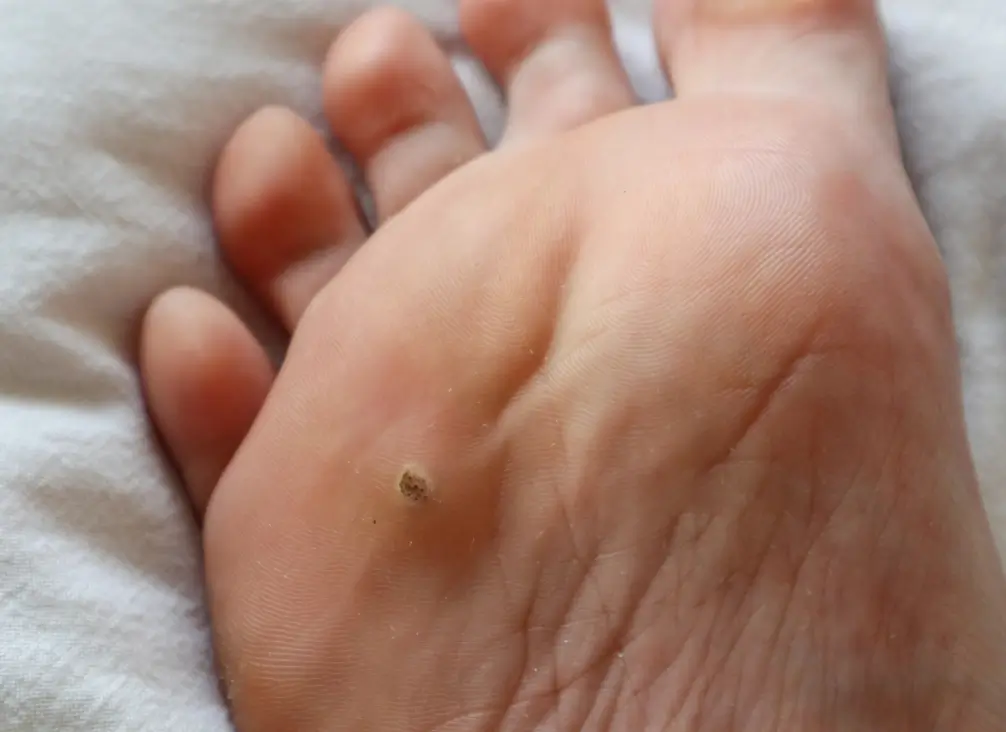
Plantar warts are caused by the human papillomavirus (HPV), which infects the top layer of the skin, typically entering through tiny cracks or cuts. Unlike warts on the hands, plantar warts grow inward due to pressure from walking and standing.
Warts may appear as:
Hard, rough or grainy lumps
Small lesions with tiny black dots (clotted blood vessels)
Painful areas when walking, especially on the heel or ball of the foot
A single lesion or multiple clustered warts (mosaic warts)
While they’re often benign, plantar warts can become painful, spread easily, and resist standard treatments.
Is It Contagious?
Yes. Warts are contagious and can easily spread to other parts of the body or other people, especially in households. This is why it’s important to avoid walking barefoot on shared surfaces and to treat warts early before they multiply.
How Are Plantar Warts Spread?
HPV thrives in warm, moist environments such as:
Public pools
Locker rooms and communal showers
Shared floors without footwear
The virus can survive on surfaces for months and is easily spread by walking barefoot or sharing shoes, towels, or socks.

Podiatry Treatments for Plantar Warts
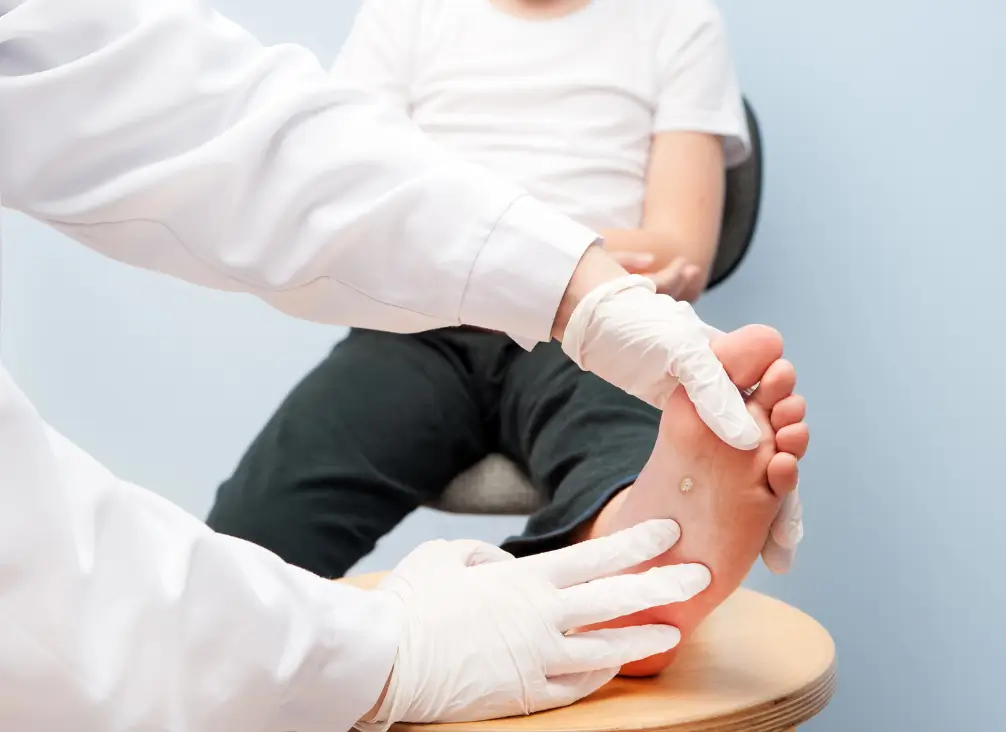
There is no universal cure for warts, but podiatrists can offer multiple evidence-based treatments based on the wart’s location, duration, and severity:
Cryotherapy (liquid nitrogen freezing): A blister forms around the wart, and the dead tissue sheds within days. May require repeat treatments every 2–4 weeks.
Salicylic Acid: A strong peeling agent applied over time to gradually remove layers of wart tissue. Often used in combination with cryotherapy.
Combination Therapy: Using cryotherapy and salicylic acid together can increase success rates by stimulating the body’s immune response.
Wait-and-See Approach: In mild cases, your podiatrist may recommend monitoring the wart, as many clear on their own within 12–24 months.
In-clinic treatment also ensures the skin is safely debrided (thinned), allowing better penetration of topical treatments and improved comfort.
When to Seek Professional Help
Book a podiatry consult if:
The wart is painful or growing
It has not improved with over-the-counter treatment
You have multiple warts or spreading clusters
You have diabetes or poor circulation
Your child is experiencing discomfort or changes in walking
Why Over-the-Counter Treatments Often Fail
Pharmacy-grade treatments may help for very mild cases, but they often don’t reach deep enough to fully remove the wart. Additionally, if the immune system doesn’t respond adequately, the wart may continue growing or spread to other areas of the foot.


Stop Warts from Slowing You Down
Plantar warts can interfere with daily activities, sport, and confidence—especially in children and active adults. With early podiatry care, treatment is more effective and recurrence less likely.
Instant claims with all major health funds — you only pay the gap.









Have Questions About Podiatry?
We’re here to make it simple. Whether you’re dealing with ongoing foot pain or just unsure if podiatry is right for you, we’re happy to guide you — no pressure, just clear answers.