
Osgood-Schlatter Disease Treatment in Brunswick
Supporting active kids through growth-related knee pain
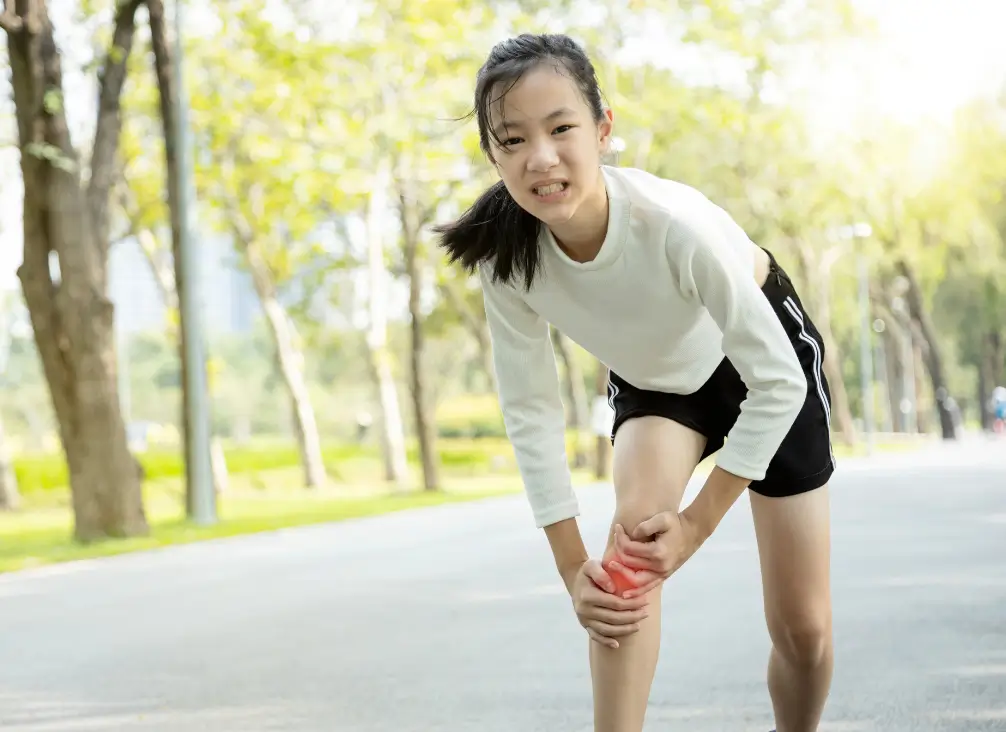
Hearing the term Osgood-Schlatter Disease for the first time can sound alarming—but rest assured, this is a relatively common and self-limiting condition that can be well managed with early podiatric intervention. It typically affects active children and adolescents during periods of rapid growth, particularly those involved in high-impact sports.
With the right support, most children recover fully without long-term issues. Early diagnosis and appropriate care are key to preventing complications or ongoing discomfort.
What Is Osgood-Schlatter Disease?
Osgood-Schlatter Disease—also known as tibial tubercle apophysitis—is an overuse condition that affects the growth plate at the top of the shinbone, just below the kneecap. It’s most common in boys aged 11–15 and girls aged 8–13, particularly during growth spurts when the bones are developing faster than the muscles and tendons can adapt.
The condition occurs when the quadriceps muscles (which straighten the knee) exert repetitive traction on the tibial tuberosity—a small, unfused growth plate on the front of the shin. Repetitive stress can lead to inflammation, pain, and in more severe cases, microfractures or swelling.
Signs Your Child May Have Osgood-Schlatter
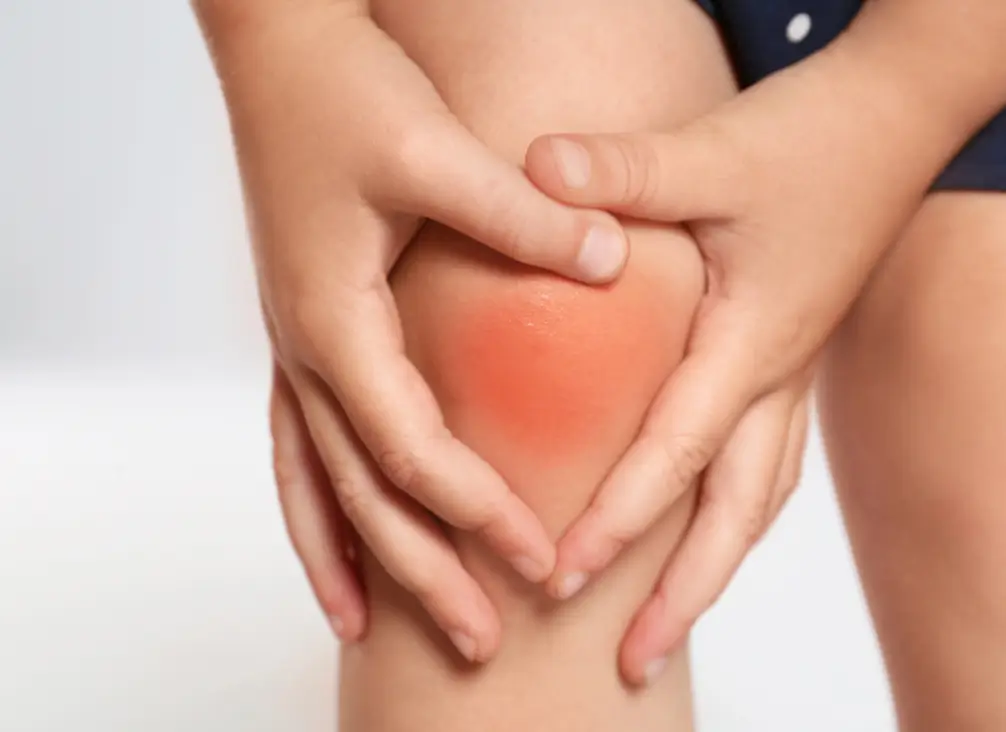
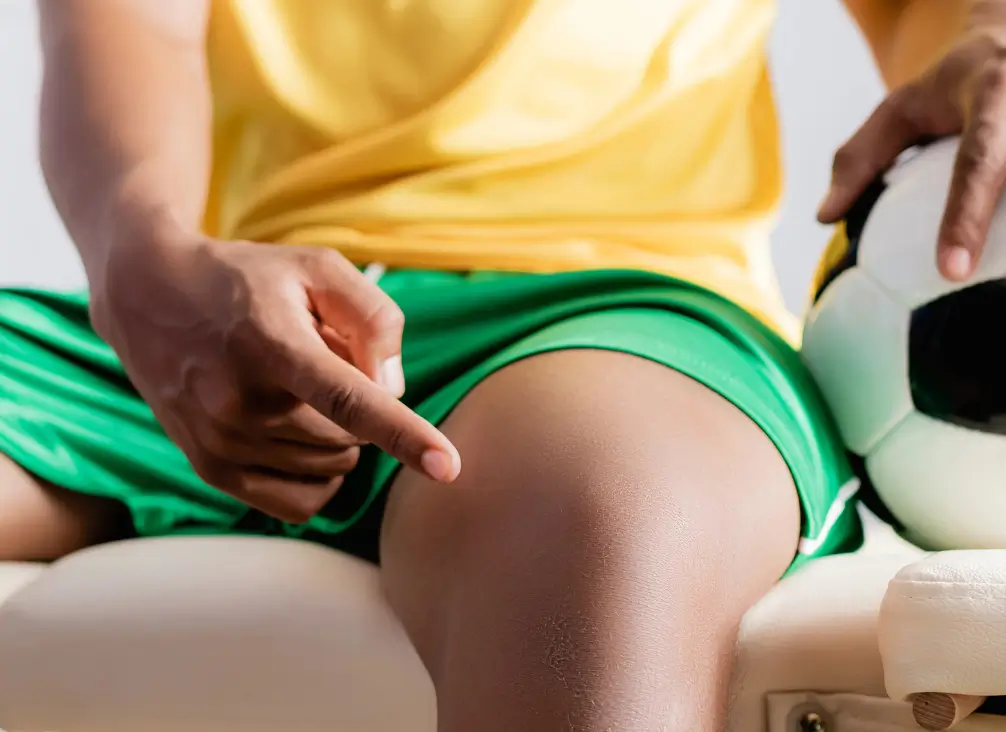
Pain and tenderness just below the kneecap
Swelling or a visible bump on the shinbone
Pain that worsens during running, jumping, stairs, or kneeling
Limping or avoiding activity
Discomfort with direct pressure on the knees
Symptoms may affect one or both legs (20–30% of cases are bilateral)
If your child is active and suddenly starts avoiding sport or complains of pain near the knee, it’s worth investigating further.
Why Foot Posture Matters
Many parents and clinicians focus solely on the knee, but poor foot biomechanics—especially flat feet—can significantly contribute to tibial stress. When the arch collapses, it changes the alignment of the lower leg, creating torsional stress at the knee joint and increasing strain at the tibial tuberosity.
A comprehensive assessment of foot posture and gait can identify whether foot mechanics are aggravating the condition.
How a Podiatrist Can Help
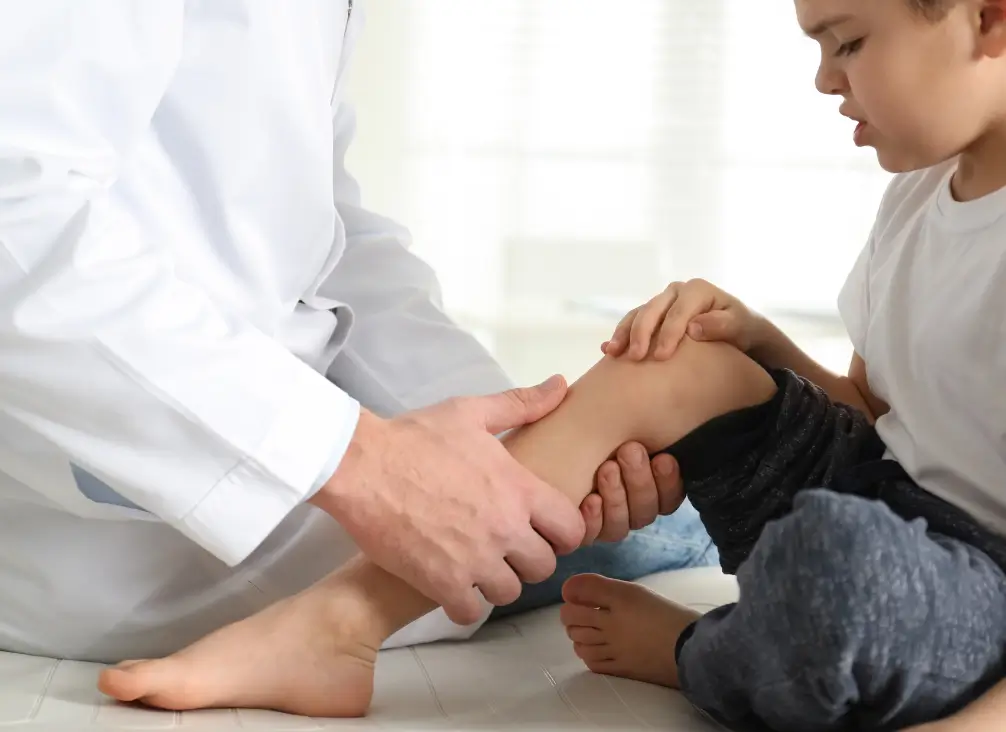
Podiatry treatment focuses on managing pain, improving biomechanics, and supporting tissue healing—so your child can stay active without ongoing flare-ups.
Treatment may include:
Biomechanical assessment and gait analysis
Custom foot orthotics (if flat feet are contributing to strain)
Taping techniques or infrapatellar straps to offload stress
Footwear advice to improve shock absorption and alignment
Targeted stretching and strengthening exercises
Foam rolling techniques for quads, calves, hamstrings, and hip flexors
Postural assessments and load management advice
Most cases respond well to conservative care. In rare, severe cases, X-rays may be requested to rule out other causes such as fracture or infection.
How Long Does It Last?
Osgood-Schlatter typically resolves once the growth plate closes—usually by mid to late adolescence. However, pain can persist for several months if not properly managed.
The goal of podiatry is to support healing while maintaining as much activity as possible without aggravating the condition. Complete rest or crutches are rarely needed.
Avoid Long-Term Deformity
In some children, repeated flare-ups can result in a permanent bony bump below the kneecap. While this is mostly cosmetic, it can cause discomfort or self-consciousness later in life—especially if it could have been prevented with earlier intervention.
Addressing symptoms early and correcting underlying biomechanical issues can reduce the likelihood of long-term changes.
Book an Assessment for Knee Pain in Active Kids
Don’t wait for pain to worsen or your child to lose confidence in their favourite sport. A podiatric assessment can provide clarity, reassurance, and a clear plan to keep your child moving pain-free.
Instant claims with all major health funds — you only pay the gap.







Have Questions About Podiatry?
We’re here to make it simple. Whether you’re dealing with ongoing foot pain or just unsure if podiatry is right for you, we’re happy to guide you — no pressure, just clear answers.